
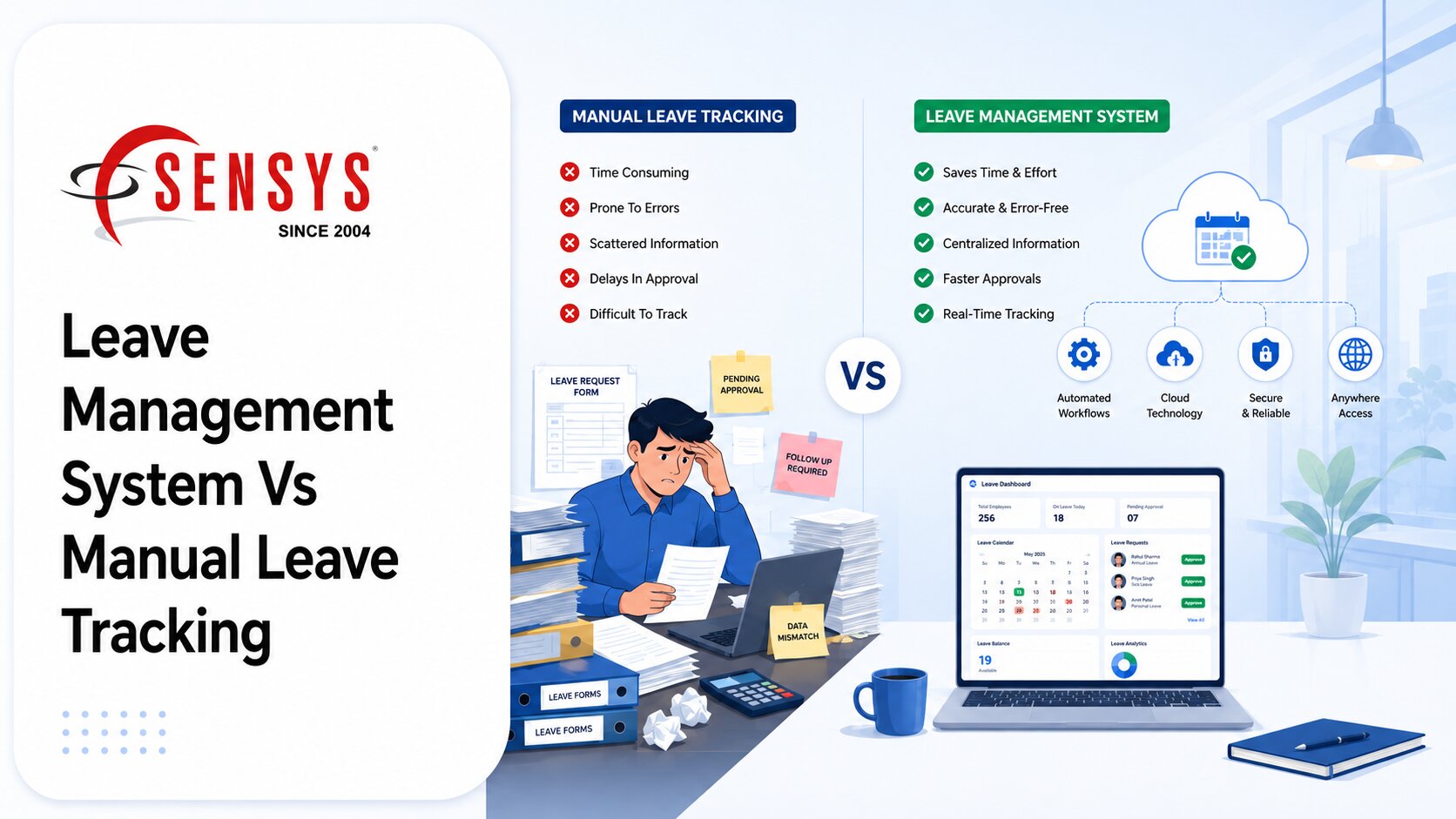
For this reason, many organizations are opting for a Leave management system. Automated leave tracking, approvals, and leave balance from one platform automates business leave management processes from one place. This means a smoother experience for employees, managers, and HR teams, with fewer administrative requirements and greater accuracy.
Understanding The Challenges Of Manual Leave Tracking
Initially, when businesses are small, manual leave management can be effective. But, as the number of employees grows, keeping proper records and dealing with leave applications in a timely fashion becomes more difficult.
Some of the most frequent problems are:
- Submitting requests for time off leads to misplaced paperwork and information.
- Wrong Leave Balance calculations.
- Backgrounds and approval of managers.
- Trouble keeping a record of various leave options.
- Poor knowledge of staff scheduling.
These challenges lead not only to higher workloads for HR, but they also impact the ability to respond quickly and to the point to employees who will rely on HR to provide timely and accurate leave information.
Manual tracking presents reporting problems as well. Building monthly leaves reports or reviewing past reports can be complex and manual, which may lead to errors and time misuse on the HR teams’ part.
Comparing Automated Leave Approval And Tracking Workflows
One of the major benefits of automation is that all leaves are on a defined process. Requests are submitted via the system, and managers get instant notification and approvals are automatically recorded.
An up-to-date recruitment software platform can also be connected to leave management, where HR departments can handle the employee journey from hiring to day to day employee administration. Integrating HR processes means eliminating repetitive tasks and improving employee journey.
Automated leave workflows also have a number of practical advantages:
- Staff may apply for leave from any point.
- Immediate approval notification to the managers.
- Leave balances are automatically updated on approval.
- All requests can be tracked from one dashboard from HR teams.
- All approval history is kept for future reference.
All of the steps take place within one system, as opposed to multiple email exchanges to approve a single leave request. This has the advantage of making the job more efficient as well as more transparent to all parties.
It also helps to avoid mistakes, as employees can easily see the status of their request, without having to reach out to HR for every request.
Measuring Time Savings And Operational Efficiency Gains
When businesses consider the time saved through the entire organization, that’s where the true value of a leave management solution shines through. HR teams waste less time on spreadsheets, managers approve requests more quickly and employees get a faster response.
An integrated employee database management system further optimizes efficiency by linking employees’ data with leaves. As people join, move to other departments, or make changes to their personal information, the data automatically stays in sync throughout the HR system.
Automated leave management can bring several advantages to businesses, including:
- Minimized hand-keying.
- Faster approval cycles.
- Improved leave details.
- Better workforce planning.
- Reduction in administrative burden of HR teams.
Managers also have a better sense of who is available to work on projects, can better manage staffing changes, and are not subject to staffing shortages when workload is high.
As time goes on, these enhancements help to create a more productive work environment, where HR staff can concentrate on strategic activities rather than standard administrative duties.
While switching to digital leave management is a move away from spreadsheets, it’s not just that. It’s about establishing a controlled process that enhances communication, transparency and effective workforce planning. Businesses with continued growth can manage employees with confidence with the flexibility and efficiency of automated leave management.
Frequently Asked Questions
Q1. Why is a leave management system better than manual leave tracking?
A: A leave management system automates leave requests, approvals, and balance calculations, reducing manual errors while improving transparency and saving time for both employees and HR teams.
Q2. How does an employee database management system improve leave management?
A: An employee database management system keeps employee records connected with leave information, ensuring accurate data, easier reporting, and better workforce planning across the organization.