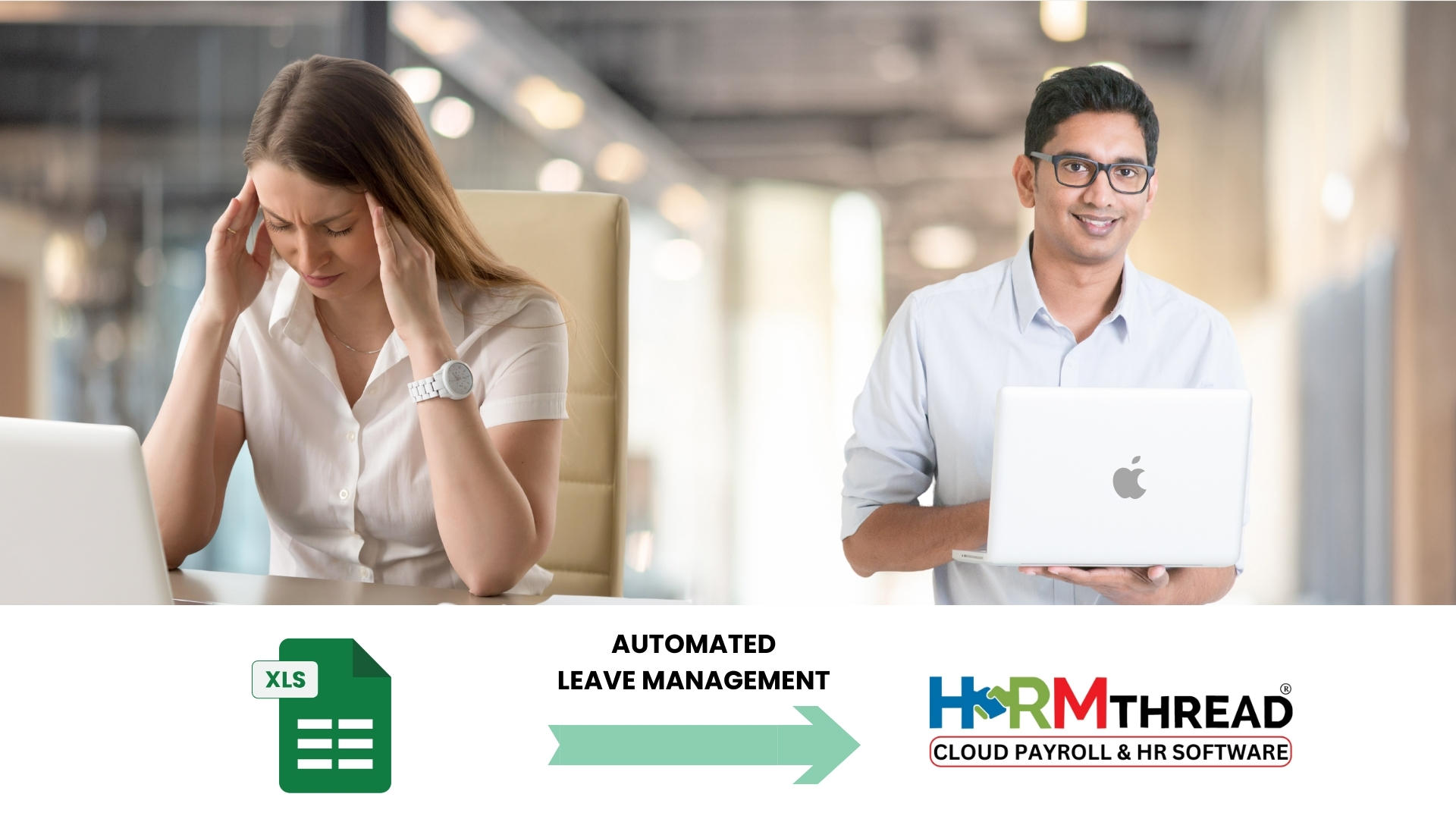
It might look easy managing employee leave with the help of Excel, however, with the increase in the size of an organization, manual track keepsakes cannot be reliable, time-consuming, and subject to errors. The inaccurate records, duplication and delays in the approvals as well as the problems in compliance are several issues that eventually plague many HR teams. This is why some businesses today are increasingly migrating towards automated solutions, such as modern leave management software, which is not only accurate and transparent but also enables easier coordination between employees and managers. The change is not only a technological enhancement but a mandatory move towards the construction of effective HR functions.
How Manual Leave Tracking Creates Operational Challenges
Excel as a leave tracking tool is only effective up to the point when the organization is small. Ineffectiveness of HR teams as employee strength grows because they struggle to keep up to date sheets, balance attendance records, and prevent duplicate records. Even minor errors may result in wrong deduction in the payrolls or unauthorized leaves elusion. The employees are also confused as they are unable to access real time leave balances or statuses of approval. Consequently, misunderstanding tends to prevail and human resource departments wastage of time correcting mistakes. The automated leave management software removes such problems by maintaining all information true, up to date, and consistent.
How Automation Improves Accuracy and Reduces Errors
Minimization of human errors is one of the significant reasons why companies abandon Excel. Manual records may fail because of typing errors or wrong calculations or the data copy that is used by one team can be copied to another team and contains old data. Automation will make sure that all requests of leave, approvals, and updates are registered in real time and correctly. The system calculates the balances of leaves, enforces the rules in an even way and does not allow changing the balances accidentally. This also enhances accuracy about the payroll. Attendance and work hours can be perfectly matched with leave data when they are combined with timesheet software, eliminating payroll discrepancies.
How Automated Leave Systems Enhance Employee Convenience
The current employees want their leave application process to be smooth. The sheets of Excel are not considered to make the leave information visible or easily accessed. The automation enables the employees to make requests online, access balances, upload documents where necessary and see approvals in real time. The managers will be able to check requests fast and organize the team schedule without misunderstandings. The enhanced experience minimizes the possibility of back and forth communications and enables the HR teams to engage in other useful tasks. Having embedded leave management software will mean that all leave information is readily manageable on a single dashboard.
How Automation Supports Policy Compliance?
Each company would have its own leave policies in terms of annual leave, sick leave, casual leave, and carry forward restriction. Manual management of such rules through excel usually causes discrepancies. Automated systems are used where the policies are applied equally so that all employees are subject to the same rules. The system blocks illegal entries of leaves, the eligibility is also checked automatically, and the audit trails are also complete. It particularly matters in those organizations where compliance and documentation are of great importance. Performance management software is also integrated, which further clarifies the relationship between the patterns of leaves and employee behaviour and productivity.
How Automated Leave Tracking Helps Managers Plan Better
The management of a team is very much reliant on availability and timing. Excel sheets are seldom revealing particularly when the data is distributed among various files. The automated systems present real time calendar, team outlook and warning in which managers can give approvals without compromising project timelines. They are also in a position to analyze trends on leaves, detect common absences, and exercise corrective action when the need arises. Together with timesheet software, the managers will have full insight into work allocation, attendance, and productivity, and can plan and make decisions.
How Integrations Improve Overall HR Efficiency
Excel is not integrated with the payroll, attendance, or performance systems, which leave gaps in the data and multiplies the amount of manual labor. The automated solutions interlink different modules of HR in the organization in a manner that information moves freely across the organization. Payroll is automatically updated with leave information, attendance is connected to timesheets, performance insights are used to evaluate employees. This integrated system makes sure that the HR departments are efficient and non repetitive. Companies that apply leave management software claim that their HR practices become quicker, more precise, and consistent in all their departments.
Why Growing Companies Prefer Automated Systems Over Excel
Manual leave tracking is no longer sustainable as the company grows. Automation is scalable, which means that it lowers the administrative burden on staffing personnel. Those companies that have implemented modern performance management software and attendance solutions tend to switch towards automated leave management to fulfill their digital HR environment. Automated systems give considerable benefits in terms of features such as mobile access, instant notifications, compliance tracking and real time analytics, which Excel is unable to fulfill. It is also observed that automation by businesses brings conflict to a minimum and enhances transparency, which enhances employee satisfaction.
How Automation Prepares Organizations for the Future
Digital tools allow making decisions based on data and facilitating the experience of employees in their workplaces, which is why the future of HR is digital. An automated leave system is a necessary aspect of this change. They provide the basis of full-fledged HR functions through linking leave, attendance, time sheets, productivity and performance data. Modern leave management software allows companies to be better prepared to plan their workforce, increase compliance, and allocate their resources more efficiently as they expand.