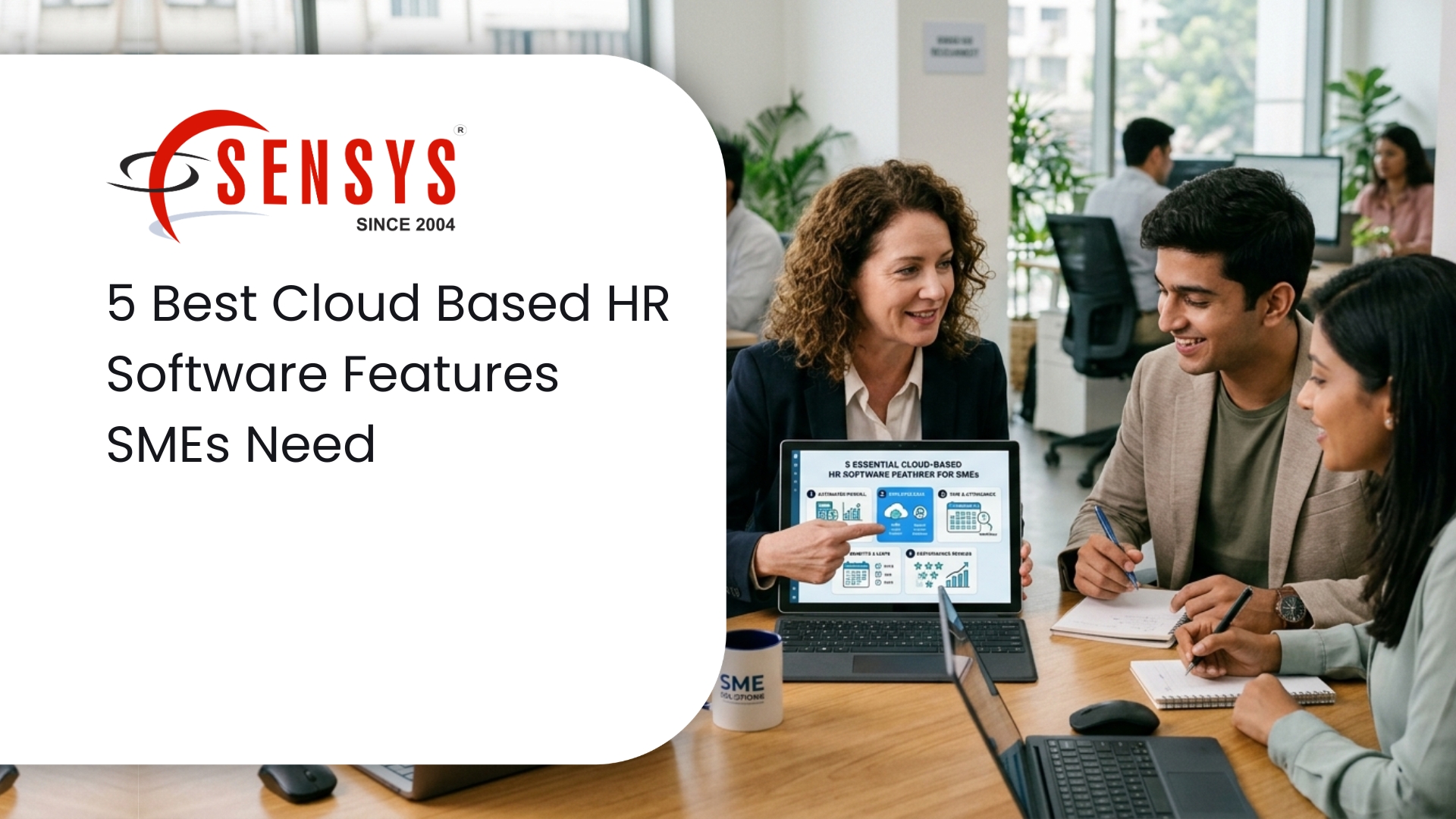
Cloud platforms offer several advantages over traditional HR systems that hinged more on manual tasks and local storage. Cloud platforms enable businesses to handle HR procedures from any location and maintain data centralized and secure as well. Today’s HRMS software and HRIS software solutions also offer automation features that save HR administrative time and enhance employee experience.
The following are some of the top features for SMEs to consider when selecting cloud HR solutions:
1. Scalability And Flexible Integration Capabilities
Scalability is one of the best features of cloud systems. HR processes become increasingly complex as more staff are added to the company, often at small businesses. A successful system would have to expand with the organization without having to make any major changes in the procedures.
Scalability And Integration Capabilities Comparison
Simple HR solutions can suffice in smaller sets, but fall short in larger businesses. As employees grow in number, advanced HRMS software seamlessly supports the tracking, management, and reporting of staff, while maintaining efficiency throughout.
Integration is also a key consideration. In today’s business, there are several different platforms used for the employee payroll, accounting, communication, and attendance system. A dependable cloud-based HR software system should seamlessly connect to these systems to prevent unnecessarily duplicating data and work.
Integrated cloud platforms offer a more efficient way of managing employee information than manual, disconnected systems since information can be shared automatically between teams.
2. Compliance Automation For Reduced Risk
HR teams have one of the most time-consuming duties when it comes to compliance management. Manually monitoring labour laws, employee records, statutory documents and policy changes raises the risk of errors.
Compliance Automation Vs Manual Tracking Benefits
Manual compliance tracking requires the use of spreadsheets, reminders and physical records. This process can be complicated as the number of employees increases.
With automated HRIS software, businesses can maintain organized employee records, automate policy updates, and generate compliance related reports more efficiently. Automated systems also minimize the danger of going missing critical deadlines or information demands.
Automation offers extra assurance and less administration for SMEs lacking specific compliance gurus.
3. Employee Self Service Portals
As organizations grow, employees expect quicker access to HR related information. Constantly depending on HR teams for leave balances, salary records, or policy updates can slow down communication.
Employee Self Service Portal Essentials For Growing Teams
Modern cloud based HR software includes employee self service portals where employees can:
- Apply for leave
- Access payslips and attendance records
- Update personal information
- Download company documents
- Track approval requests
This improves employee experience while reducing repetitive HR queries. For growing SMEs, self service portals also help HR teams focus more on strategic tasks instead of routine administrative work.
4. Real Time Reporting And Analytics
Making decisions is more challenging when HR information is spread across multiple spreadsheets and stored on paper. A business requires reliable information about its workforce to strategically recruit, manage attendance and track workers’ performance.
The advanced HRMS software offers real-time dashboards and reports that enable businesses to gain insights into employee attendance, turnover, leave patterns, and expenses. These knowledge are used to guide the planning and to optimize operations.
Cloud based reporting also ensures that managers have access to the information they need from anywhere, so they can manage remote and multi-location teams more efficiently.
5. Centralized Employee Data Management
In manual systems, employee data can be spread out across email exchanges, folders, and spreadsheets. Records become difficult to maintain and data becomes at risk of loss.
HRIS software gathers all employee data and stores it in a central location in a secure way. HR staff can easily retrieve records, employment history, attendance and performance records when necessary.
Besides efficiency, centralized data management also brings structure and professionalism to the HR landscape of a business in expansion.
Frequently Asked Questions
Q1. Why do SMEs prefer cloud based HR software?
A: SMEs prefer cloud based HR software because it automates HR processes, improves accessibility, reduces manual work, and supports business growth through scalable features.
Q2. How does HRIS software help growing businesses?
A: HRIS software centralizes employee records, automates administrative tasks, and improves compliance management, making HR operations more efficient as businesses expand.